I Thought it was Just Dandruff…
I pulled on a black shirt and looked in the mirror. White flakes covered my shoulders. I tried to swipe them off, hoping that would be enough. It wasn’t. By the time I was ready for school, more had already appeared. Frustrated, I changed into a white shirt and pretended nothing happened.
This wasn’t a one-time problem. Ever since I turned 12, this was normal for me. I stopped wearing darker clothes. Even though I washed my hair every day, I still felt like I was dirty.
I didn't know what was wrong with my scalp, but it was flaky, itchy, and irritated. I didn't know whether it was dandruff, psoriasis, eczema, dry scalp, seborrheic dermatitis, or something else. The hardest part wasn't just having the condition; it was not knowing what I had or how to fix it. I'm writing this because scalp conditions can feel embarrassing for teenagers. I want others dealing with any skin condition to feel less confused, less ashamed, and more willing to talk about it.
Growing Up with a Scalp Condition
Growing up with a scalp condition affected me a lot more than I thought. It changed parts of my life and my confidence.
I became more aware of what clothes I wore, darker shirts and hoodies. I worried about scratching my head because I didn't want people to see flakes fall. I constantly felt like I had something to hide, even though it was completely out of my control.
Even when people didn't mention anything about it, I could always tell they noticed. That made me feel self-conscious and worried people would assume I didn't shower or that I didn't wash my hair enough. A normal school day could turn into me checking my shoulders, brushing off flakes, and trying to act normal even though I was embarrassed.
Trying to Figure out What I Had
The most frustrating part was that I was actively trying to fix the problem.
I was using medicated shampoos, changing routines, going to doctors, and still not getting a clear answer. From the outside, people only saw my dandruff. They didn't see all of the effort, frustration, and confusion behind it as I tried to figure out what was wrong.
When I first started getting an inflamed scalp and flakes, I thought it was just dandruff. That seemed like the obvious explanation. But over time, regular dandruff solutions weren't working, so I started wondering if it was something else.
As I researched my symptoms, I learned that psoriasis, seborrheic dermatitis, eczema, dry scalp, and dandruff can look similar from the outside. My family and I spent hours searching for symptoms, but that sometimes made the process more confusing. One website would suggest one condition while another pointed out something entirely different. I felt like I was blindly guessing. I was frustrated, lost and didn’t know how to fix the problem.
Visiting a Dermatologist
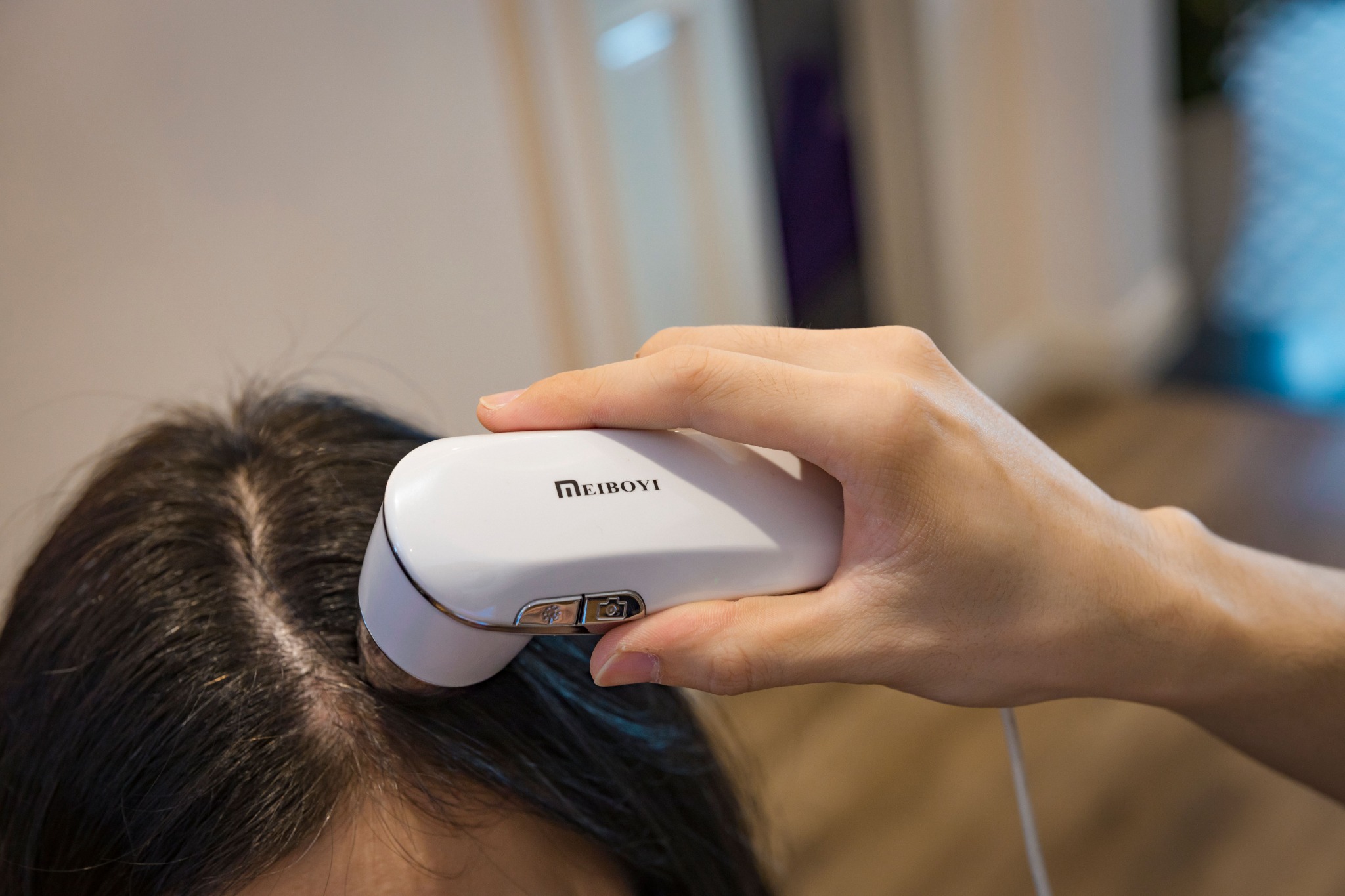
Eventually, I decided it was time to see a dermatologist.
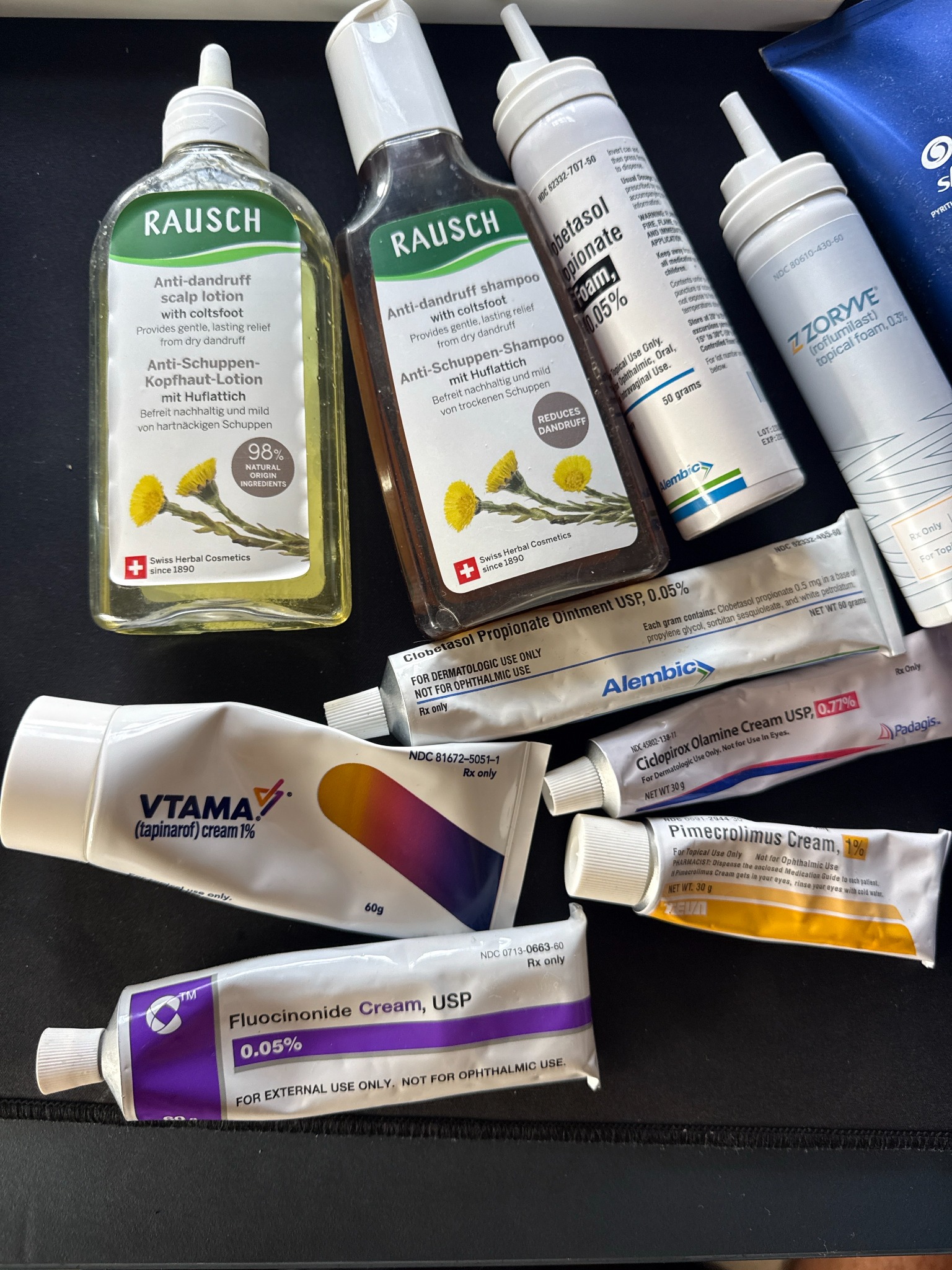
Even then, the process wasn't simple. Different dermatologists and doctors offered different opinions. Some said it seemed like one skin condition, while others gave me a different diagnosis. I was prescribed creams and treatments, but it felt as though they weren’t addressing what was actually causing my symptoms.
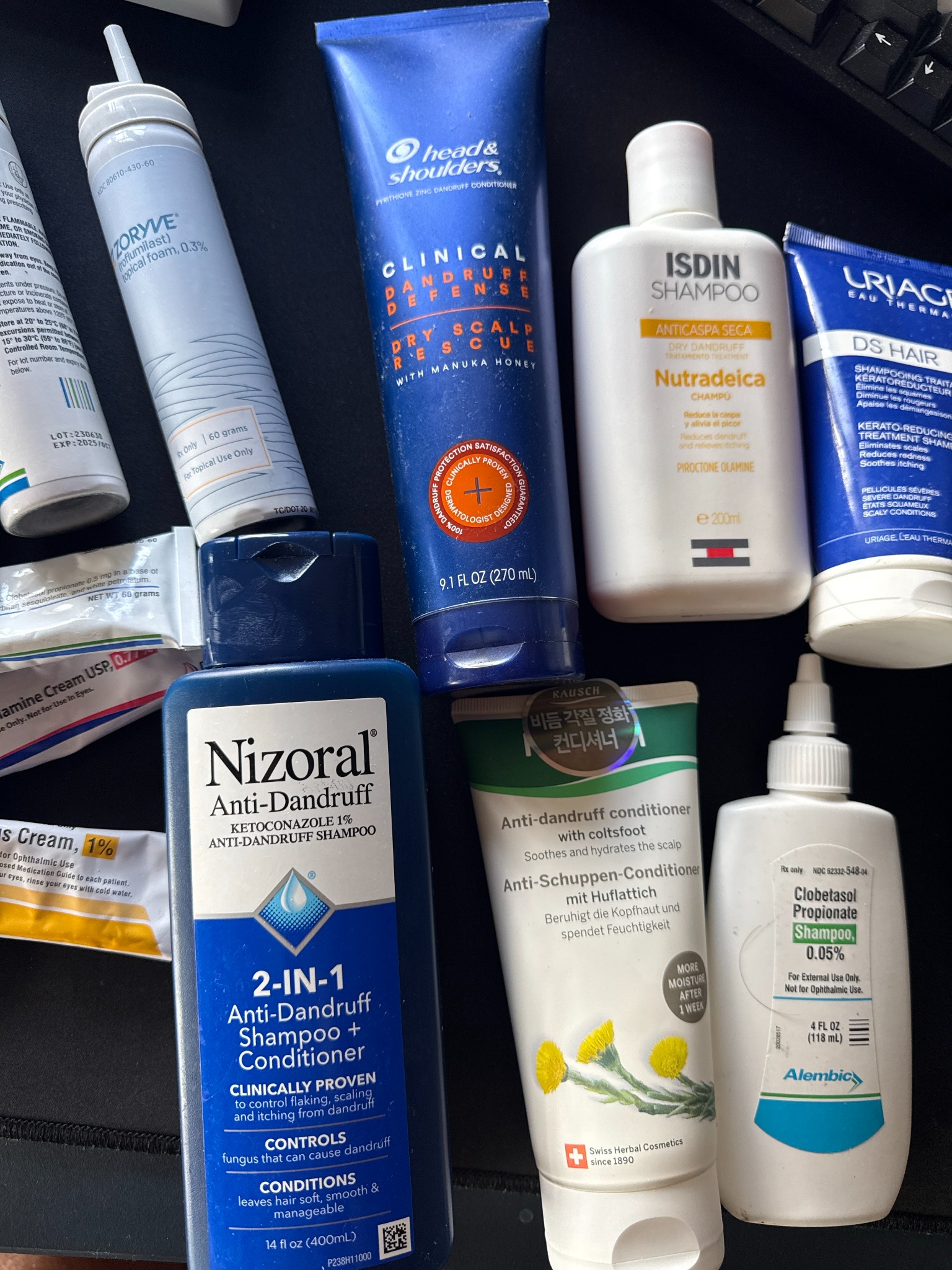
One of the first treatments I tried was a shampoo with zinc pyrithione, which was supposed to help manage my dandruff and scalp flaking. I hoped it would be the thing that finally fixed it. At first, it seemed to help a little, but over time it didn't fully solve the problem.
Later, I tried ketoconazole shampoo because I thought my issue might be connected to yeast or seborrheic dermatitis. It was also a very temporary fix for me.
Learning There Wasn’t a Magical Solution
That became the most annoying part about the entire journey.
I kept expecting one product to solve everything. Every time I tried a shampoo or cream, I hoped it would finally be the answer. Then, when it didn't work, I felt like I was starting over again.
Looking back, I realized I was searching for one perfect product when the reality was much more complicated. I learned that different products work differently for different people. Just because these products weren’t the complete solution for me doesn’t mean they won’t help someone else. I'm just sharing my experience.
Improvement
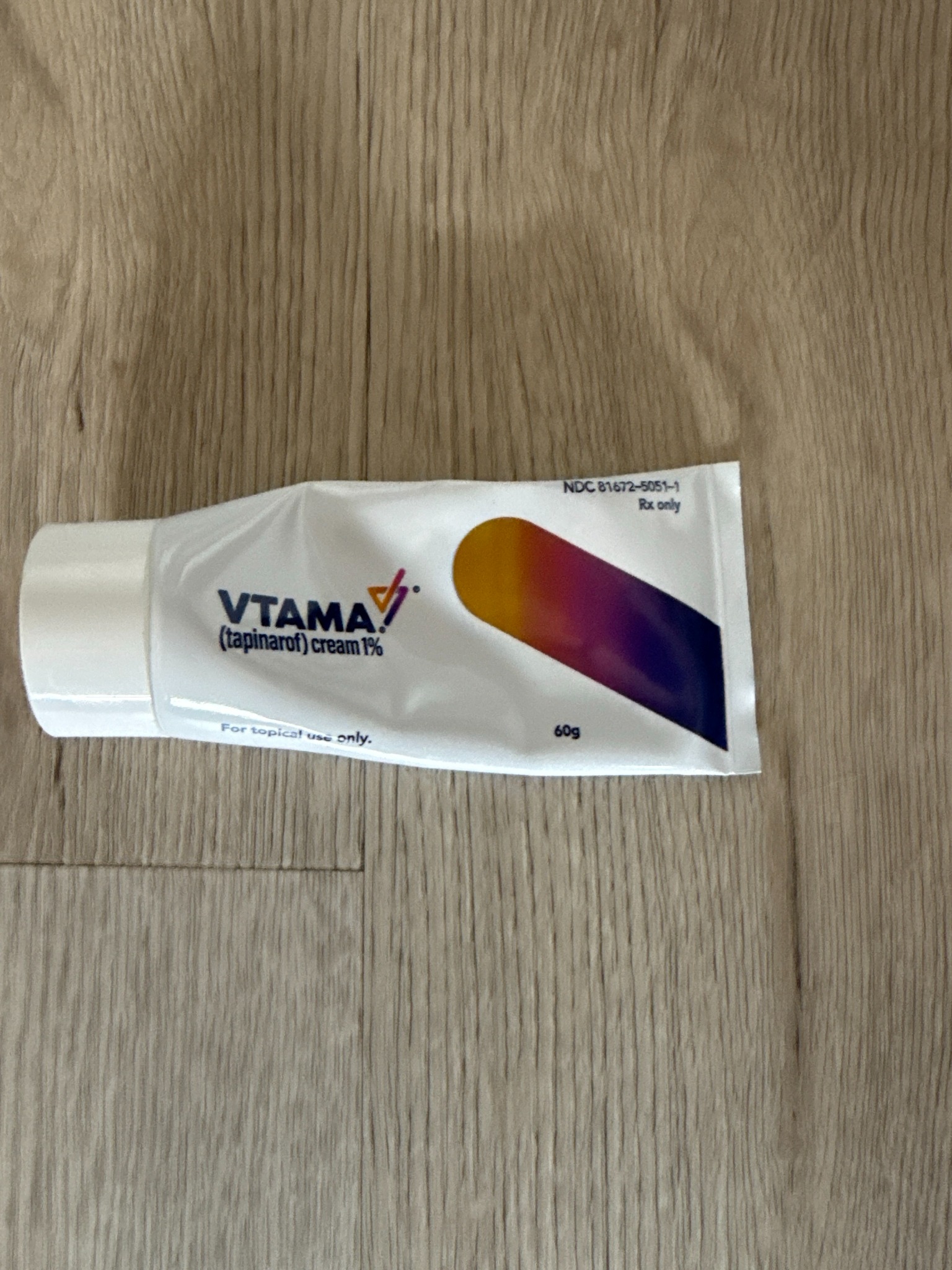
Eventually, I found two treatments, Vtama and Zoryve, that worked very well for me. These creams calmed down my scalp and made sure that the inflammation didn’t come back after minimal use. For the first time, I felt like I had control over my scalp and regained my confidence.
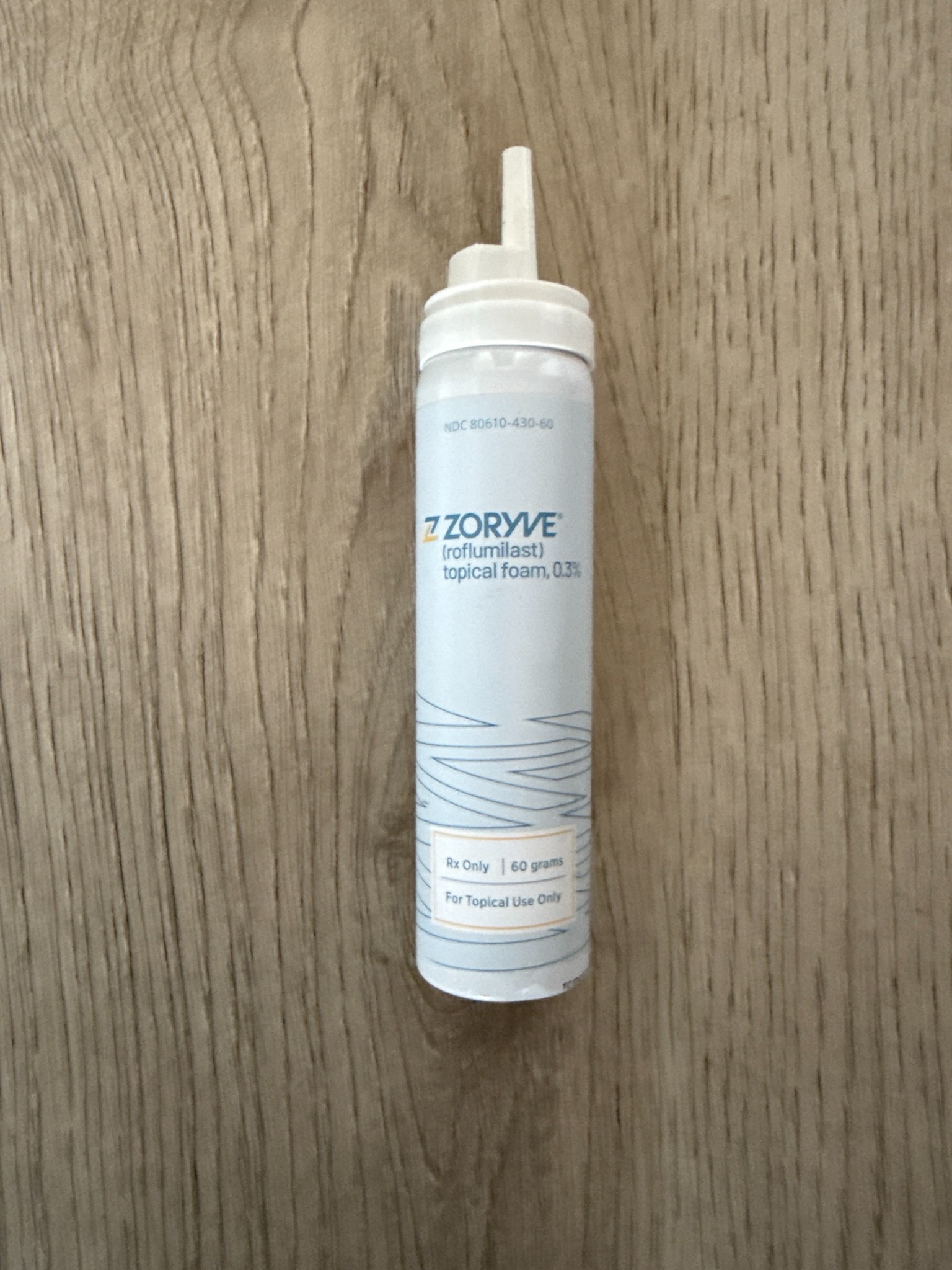
I don't think that the treatments were the only factor in aiding my skin condition. I learned that lifestyle can affect your health as well.
I started eating a cleaner diet, trying to eat only whole foods such as meat, eggs, dairy, and fruit. I also spent more time outside and worked on managing my stress by using my phone less, planning schoolwork and studying ahead. I also made sleep a bigger priority, which helped a lot. I can’t say which of these changes helped the most, and I’m not saying these changes will work for everyone, but they did make me feel more in control of my flakes.

Finally Feeling Like Myself Again
After using the topical treatments and changing my lifestyle, my scalp got better very quickly.
For months, I kept waiting for the flakes to return the way they always had before. Every morning, I expected to see them in the mirror again, but it has been around four months, and they haven’t come back.
It has now been about four months without a major flare-up, the longest time I have gone without my condition returning. I don't check my shoulders as much or worry about wearing darker clothes. My confidence began to return.
What I Learned
The biggest lesson I learned from having a scalp condition is that there isn’t always a correlation between cleanliness and skin conditions. Someone who washes their hair frequently and showers twice a day may have a scalp or skin condition.
I also learned that skin diseases are more complicated than they may initially appear. They can take time to understand, and what worked for me may not work for everyone. It takes a lot of persistence and patience to find what helps you.
If you’re dealing with a skin condition, I want you to know that you’re not alone. I understand how humiliating it can feel when people judge you for something they don’t understand, but you shouldn't feel ashamed of yourself because of it.
Looking back, I’m grateful for everything this experience taught me. It showed me the importance of being patient and advocating for my own health as well as encouraged me to share more about my own story because I understand how confusing it is to not know what is wrong with you and how to fix it.
If you’re reading this because you’re checking your shoulders every morning before school like I once did, I hope you know this: things can get better. It may take time to find the right diagnosis or treatment, but don’t lose hope. You’re not alone and your scalp condition doesn’t define who you are.